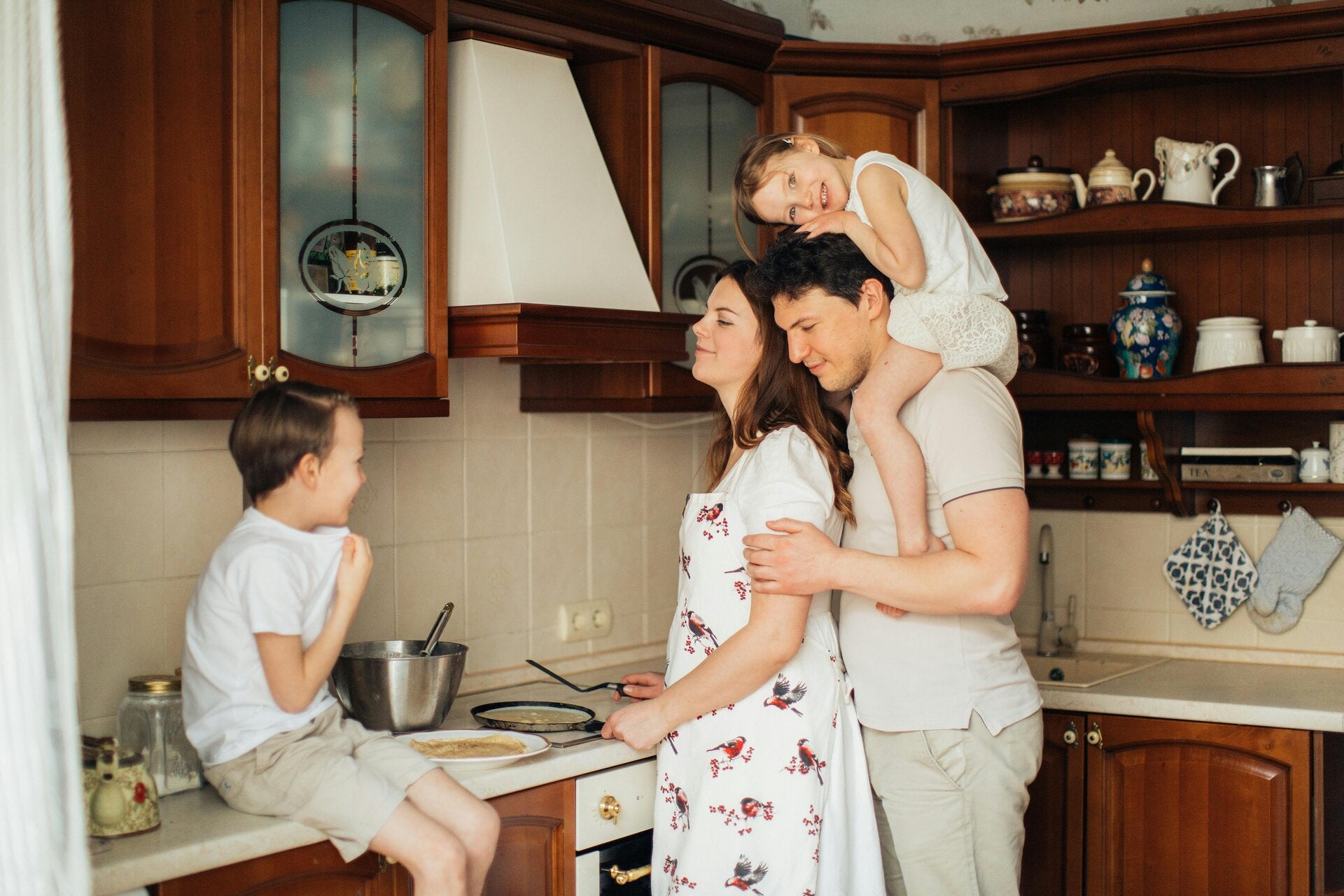
Secondary psychological distress occurs when someone experiences emotional or physical symptoms because they are supporting, witnessing, or living alongside another person's mental health challenges. Families caring for a loved one with depression, anxiety, trauma, or chronic stress often find themselves developing their own symptoms over time. Research highlights that the emotional toll on families can be significant, especially when caregiving responsibilities are high or when support systems are limited.
This distress is not a sign of weakness- it is a natural human response to prolonged exposure to someone else's pain.
Secondary distress can be subtle at first, then gradually become part of the family's emotional landscape.
- Emotional exhaustion- family members may feel depleted from constantly supporting or monitoring a loved one's wellbeing.
- Heightened anxiety or sadness- worrying about the future, fearing crises, or feeling helpless can create chronic stress.
- Changes in communication- conversations may become tense, avoidant, or overly focused on the struggling family member.
- Role shifts- children may take on adult responsibilities, partners may become caregivers, and siblings may feel overlooked.
- Strain on relationships- marriages, parent-child bonds, and sibling dynamics can all be affected when one person's needs dominate the household.
- Social withdrawal- families may isolate themselves due to stigma, shame, or simply having no emotional energy left.
These patterns can develop slowly, making them easy to miss until the family is already overwhelmed.
Caregivers- whether parents, partners, or even teens- often carry the heaviest burden. They may experience:
- Compassion fatigue, a form of emotional burnout that arises from caring deeply for someone in distress.
- Vicarious trauma, especially when supporting a loved one who has experienced trauma themselves.
- Feelings of guilt, believing they should be doing more, even when they are already stretched thin.
- Loss of personal identity, as caregiving responsibilities overshadow their own needs, goals, and relationships.
When caregivers' needs go unmet, the entire family system becomes more vulnerable to conflict, emotional withdrawal, and long-term stress.
Children are especially sensitive to the emotional climate of their home. They may:
- Internalize stress and develop anxiety or sadness
- Take on caretaking roles beyond their developmental stage
- Feel responsible for a parent's or sibling's wellbeing
- Struggle academically or socially due to emotional overload
- Experience confusion or fear when family routines become unpredictable
Without support, these experiences can shape a child's long-term emotional patterns and coping strategies.
Secondary psychological distress is common- and treatable. Families can begin to recover by strengthening communication, building support systems, and creating space for everyone's emotional needs.
- Shared language for emotions helps family members express what they're carrying without blame or shame.
- Clear boundaries protect caregivers from burnout and help redistribute responsibilities more fairly.
- Consistent routines provide stability, especially for children who may feel unsettled by ongoing stress.
- Professional support- family therapy, parent coaching, or individual counseling- creates a sage space to process emotions and learn healthier patterns.
- Community connection reduces isolation and reminds families they are not alone in their experience.
As the Kanter Center, we help families understand these dynamics with compassion and clarity. Our clinicians work with parents, children, and caregivers to rebuild emotional safety, strengthen relationships, and create sustainable paths forward
Add comment
Comments