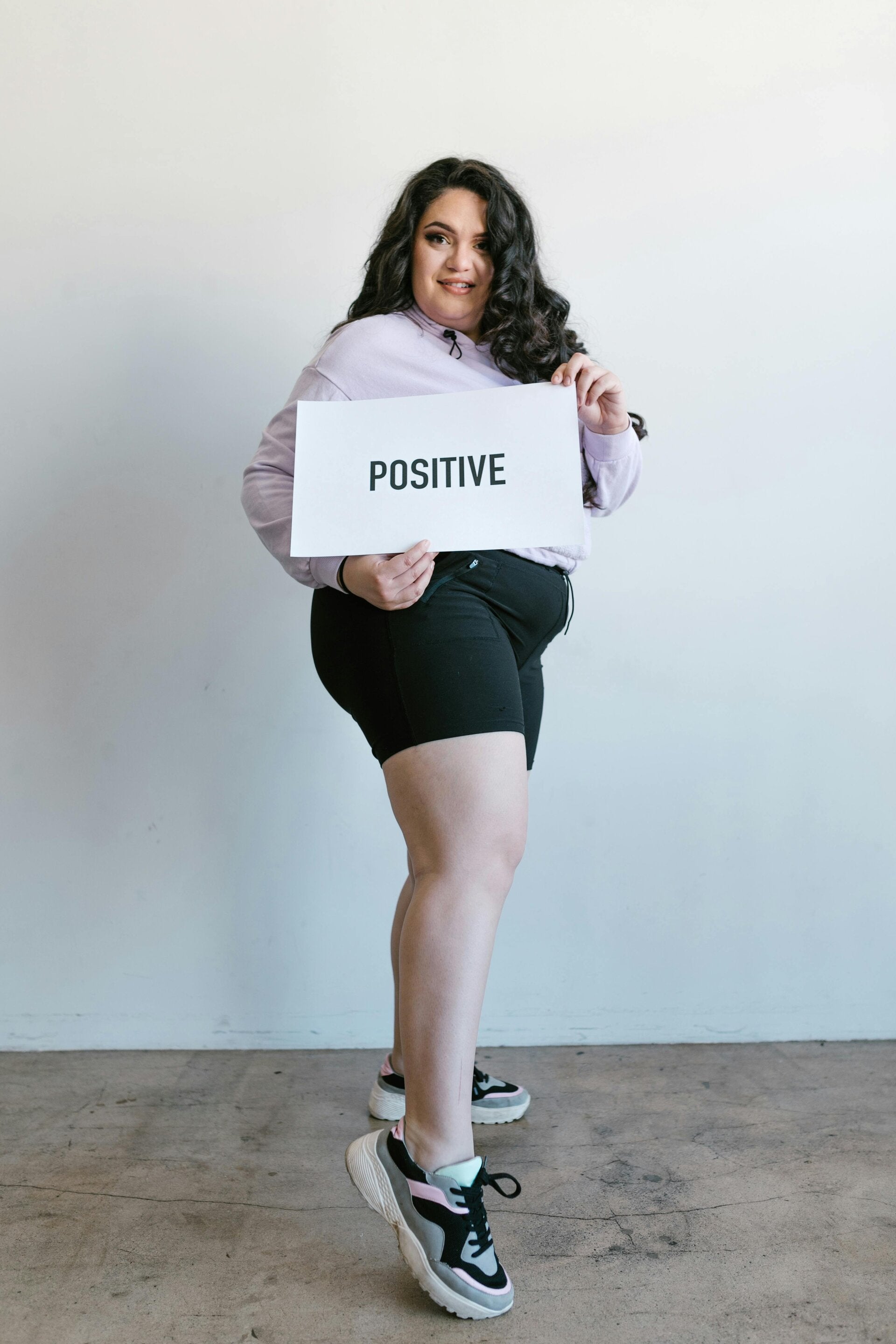
Eating disorders and body dysmorphia are both deeply painful experiences that can shape how someone sees themselves, moves through the world, and relates to their body. While they often appear together, they are not the same condition. Understanding the difference can help individuals and families recognize what they are facing and know when to reach out for support.
According to the Body Dysmorphic Disorder Foundation eating disorders are mental health conditions centered on distress about body weight, shape, and eating behaviors. They often involve attempts to control weight through restrictive eating, bingeing, purging, or other compensatory behaviors. These patterns are not choices-they are symptoms of a serious illness that deserves compassionate, professional care.
People with eating disorders may struggle with:
- Intense fear of weight gain
- Distorted beliefs about body size
- Rigid food rules or rituals
- Shame, secrecy, or guilt around eating
- Physical health complications that can become life-threatening
Eating disorders can affect anyone, regardless of age, gender, or body size.
According to the National Eating Disorders Association body dysmorphia, or body dysmorphic disorder (BDD), is a condition in which a person becomes preoccupied with perceived flaws in their appearance- flaws that others either don't notice or see as very minor. These concerns are often on a specific body part, such as the skin, nose, hair, or muscle size.
People with BDD may:
- Spend significant time checking mirrors or avoiding them
- Compare themselves to others
- Seek reassurance about their appearance
- Feel unable to see their body objectively
- Experience intense anxiety or shame about how they look
Importantly, BDD is not primarily about weight or shape. It is about perceived defect that becomes overwhelming and intrusive.
According to the Body Dysmorphic Disorder Foundation although these issues are distinct conditions, eating disorders and body dysmorphia often coexist. Some individuals experience both-feeling distressed about weight and shape and fixating on a specific body feature unrelated to weight.
Shared features can include:
- Distorted self-perception
- Perfectionism
- Anxiety and obsessive thoughts
- Avoidance of social situations
- Deep fear of judgement
Both conditions can significantly disrupt daily life, relationships, and emotional well-being
According to the International OCD Foundation understanding the difference between these conditions helps ensure people receive the right kind of support. Eating disorders often require treatment focused on nutrition, body image, and emotional regulation. Body dysmorphia may require approaches that address obsessive thoughts, compulsive behaviors, and the underlying anxiety driving appearance-related fears.
When both are present, treatment must be integrated and sensitive to the unique ways these conditions interact.
Recovery is possible. With the right support, individuals can learn to:
- Build a more compassionate relationship with their body
- Challenge distorted behaviors
- Restore healthy eating patterns
- Reconnect with activities and relationships that bring meaning
At the Kanter Center, we approach these concerns with warmth, curiosity, and respect. We know that body image struggles are never superficial- they are emotional experiences rooted in fear, shame, and longing for acceptance. No one should face them alone. If you or someone you love is struggling with body image, eating patterns, or overwhelming preoccupation with appearance, connecting with a mental health professional can be an important first step. A clinician can help clarify what is going on and offer a path toward healing that honors the whole person-not just the symptoms.
Add comment
Comments