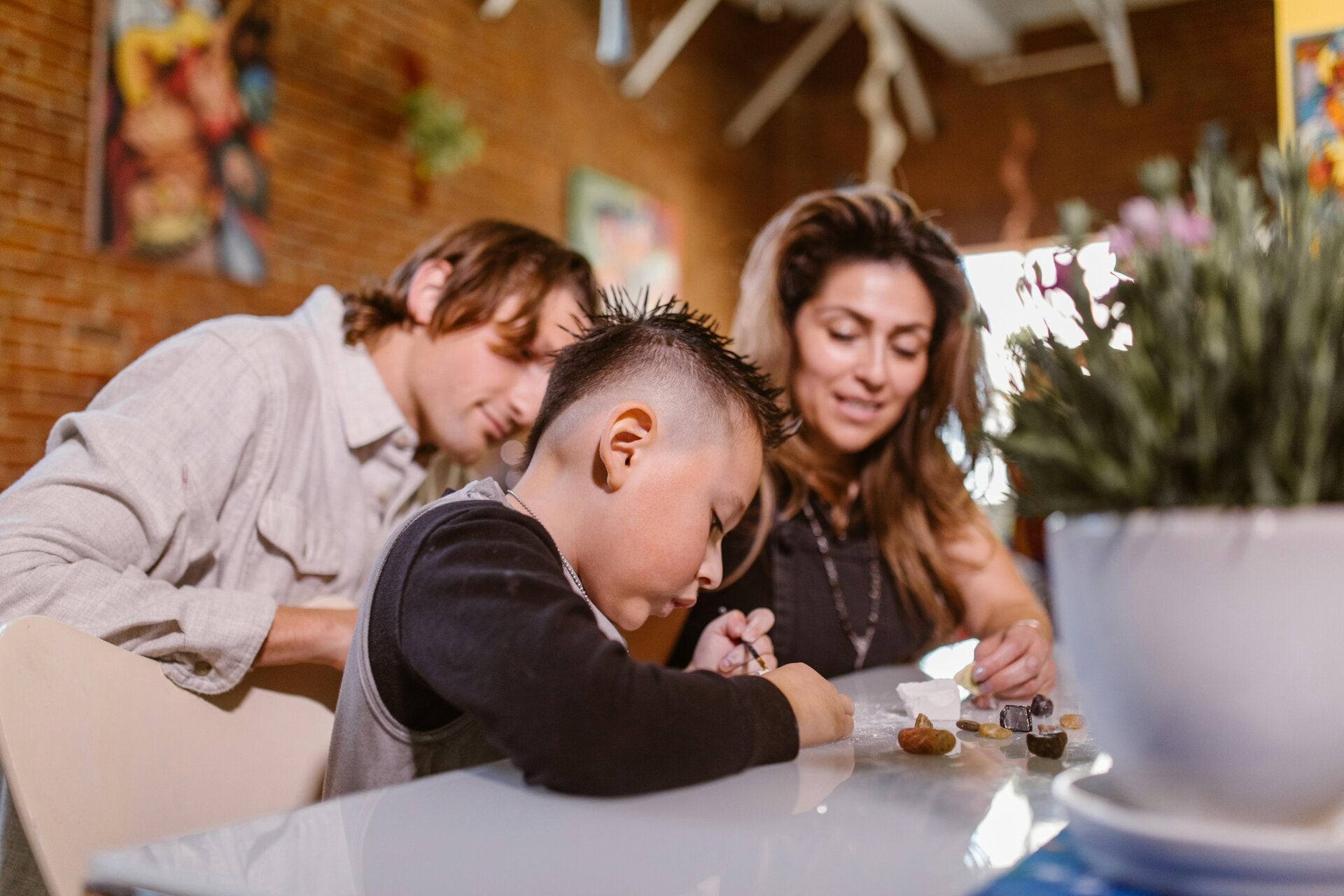
Parenting a neurodivergent child often brings moments of deep pride, fierce advocacy, and profound connection. It can also bring exhaustion, uncertainty, and a kind of stress that settles into the body over time. Many caregivers describe feeling "always on", constantly scanning the environment, anticipating needs, and trying to protect their child from misunderstanding or harm. This ongoing emotional labor can create what clinicians call secondary psychological distress- the cumulative impact of caring for someone who experiences chronic stress, dysregulation, or difficulty navigating the world.
At the Kanter Center, we see parents every day who are doing their absolute best in complex circumstances. This blog is for them-for you-to remind you that your feelings are valid, your efforts matter, and you deserve support just as much as your child does.
Secondary psychological distress doesn't mean something is "wrong" with you. It is a natural response to sustained caregiving demands. Parents or neurodivergent children often experience:
- Chronic vigilance- staying alert to sensory triggers, social challenges, or emotional shifts.
- Emotional absorption- carrying your child's frustration, anxiety, or overwhelm in your own body.
- Decision fatigue- navigating therapies, school meetings, accommodations, and daily routines.
- Social isolation- feeling misunderstood by friends or family who don't see the full picture.
- Guilt and self-doubt- wondering if you are doing enough or doing it "right".
These experiences can accumulate quietly. Many parents don't notice the toll until they feel depleted, irritable, or disconnected from themselves.
Parents often describe a mix of emotions that can feel contradictory but are completely normal:
- Love and protectiveness alongside fear of the future
- Joy in your child's uniqueness alongside grief for how hard things can be for them
- Confidence in your advocacy alongside exhaustion from constantly advocating
- Pride in your child's strengths alongside worry about misunderstanding or stigma
Holding these emotions at once is not a sign of weakness- it is a sign of deep attunement.
Secondary distress can be subtle. Parents may notice:
- Feeling emotionally drained after supporting meltdown or transitions
- Difficulty relaxing, even during quiet moments
- Trouble sleeping because your mind is still "on duty"
- Feeling overwhelmed by small decisions
- Losing patience more quickly
- Feeling disconnected from your own interests or identity
These are signals-not of failure-but of a nervous system that has been working overtime.
There is no one-size-fits all approach, but several practices can help parents feel more resources and less alone.
- Build a Circle of Understanding
- Seek out people-friends, family, support groups, or professionals-who understand neurodiversity and won't minimize your experience. Being believed and validated is powerful.
- Create Micro-Moments of Regulation
- You don't need an hour-long break to reset. Even 30 seconds of deep breathing, stepping outside, or unclenching your jaw can help your nervous system recalibrate.
- Separate Your Child's Emotions from Your Own
- It is natural to absorb your child's distress, but you don't have to carry it alone. Naming the difference ("This is their overwhelm, not mine") can create emotional space.
- Allow Yourself to Feel Everything
- Parents often push away their own sadness, frustration, or grief. Letting those feelings surface-without judgement-reduces their intensity over time.
- Seek Professional Support When Needed
- Therapy can offer a place to process the emotional load, learn regulation strategies, and reconnect with your own identity outside of caregiving. It is not a sign of struggle- it is a sign of strength.
You are not meant to do this alone. Parenting a neurodivergent child requires creativity, resilience, and emotional flexibility- and you deserve the same care and compassion you offer your child every day.
At the Kanter Center, we support families as a whole. When caregivers feel grounded, supported, and understood, children thrive too. If you are noticing signs of secondary distress, reaching out for support is not only okay- it is an act of love for both you and your child.
Add comment
Comments