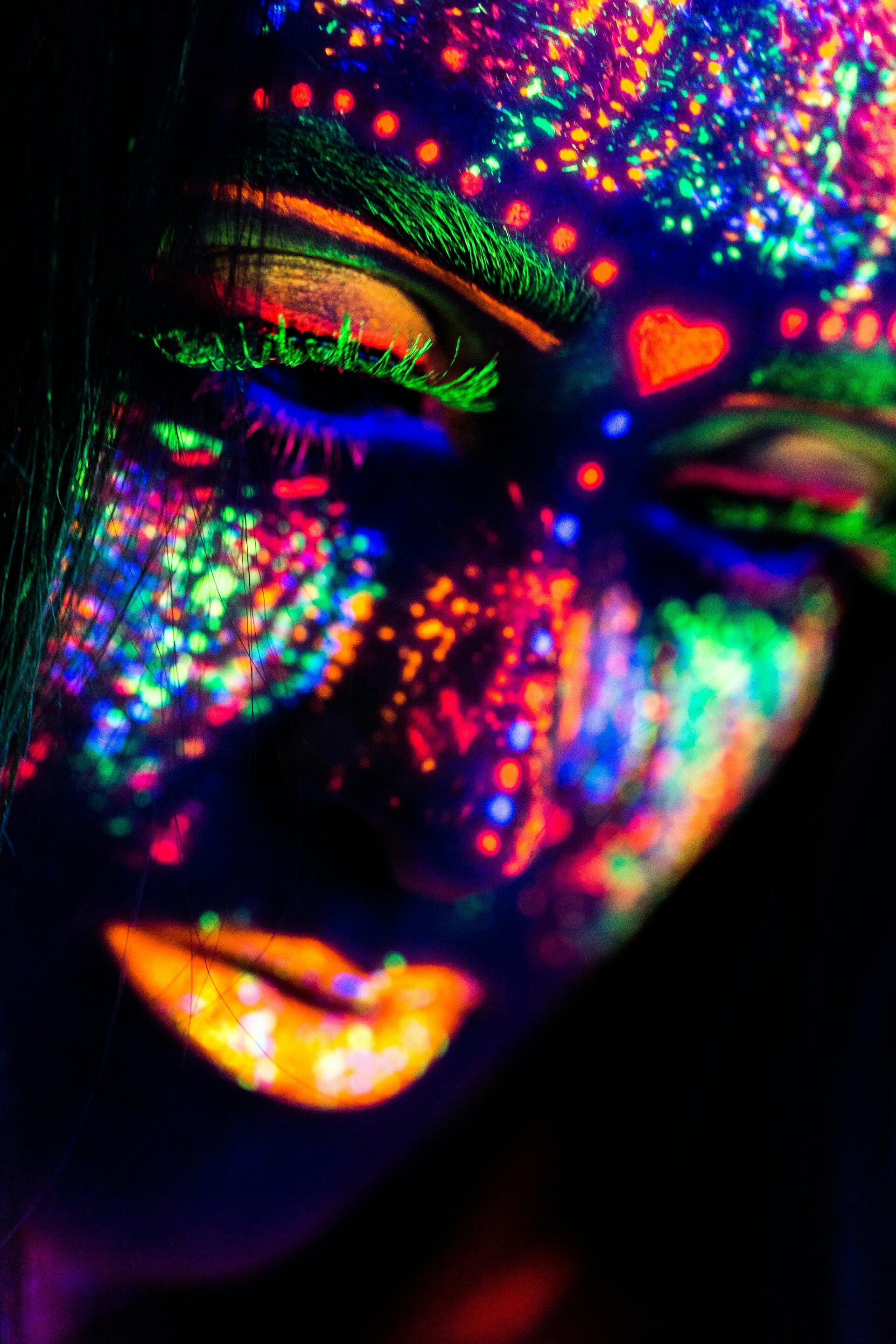
When we think about mental health, we often focus on feelings, thoughts, or relationships. But there's another powerful influence we sometimes overlook what we see. The colors, images, screens, and environments around us can quietly shape our mood, energy, and sense of calm. At the Kanter Center, we believe that understanding these subtle influences helps people of all ages build healthier, more supportive daily routines.
Our brains are constantly taking in visual information-even when we are not paying attention. Bright lights, fast-moving images, cluttered spaces, or even certain colors can activate parts of the brain that affect stress, focus, and emotional balance.
For kids and teens, whose brains are still developing, visual stimulation can have an even bigger impact. But adults feel it too. Everyone's nervous system responds to the world around them.
Today's world is full of visual stimulation-especially from screens. Social media feeds, video games, and fast-paced videos can be exciting and fun, but they can also:
- Make it harder to focus
- Increase stress or irritability
- Disrupt sleep
- Create a sense of "mental clutter"
This does not mean screens are bad. It just means our brains sometimes need a break from constant visual input.
Just as some visuals can overwhelm us, others can soothe us. Research shows that gentle, predictable, or nature-based visuals can help the brain settle. Think about how you feel when you look at:
- A sunset
- A quiet forest
- Soft, warm colors
- A tidy, organized room
- A favorite piece of art
These kinds of visuals can lower stress, support emotional regulation, and help us feel more grounded.
Young people often experience the world more intensely. Bright colors, fast animations, and busy environments can be exciting-but also overstimulating. When kids seem "wired", "melty", or overwhelmed, visual overload might be part of the picture. Supporting them can be as simple as:
- Creating a calm corner with soft lighting
- Using muted colors in bedrooms or study spaces
- Limiting fast-paced screen time before bed
- Offering visual breaks during homework or transitions
These small changes can make a big difference in emotional balance.
Here are a few gentle, accessible ideas for people of all ages:
- Try a "visual reset."
- Take a moment to look away from screens and focus on something still-like a plant, a window, or a blank wall.
- Declutter one small space.
- A tidy desk or nightstand can reduce mental lad more than we realize.
- Add nature where you can.
- Plants, photos of landscapes, or even nature videos can help the brain relax.
- Choose calming colors.
- Soft blues, greens, and earth tomes tend to support a sense of ease.
- Build screen-free moments into your day.
- Even five minutes can help reset the nervous system.
Visual stimulation is just one piece of the mental-health puzzle, but it is a powerful one. By paying attention to what we see-and how it makes us feel-we can create environments that support calm, focus, and emotional well-being. At the Kanter Center, we are here to help individuals and families build these small, meaningful habits that make life feel a little lighter.
If you would like, I can also create a matching social media version of this post or a series of related posts to build out your content strategy.
Add comment
Comments