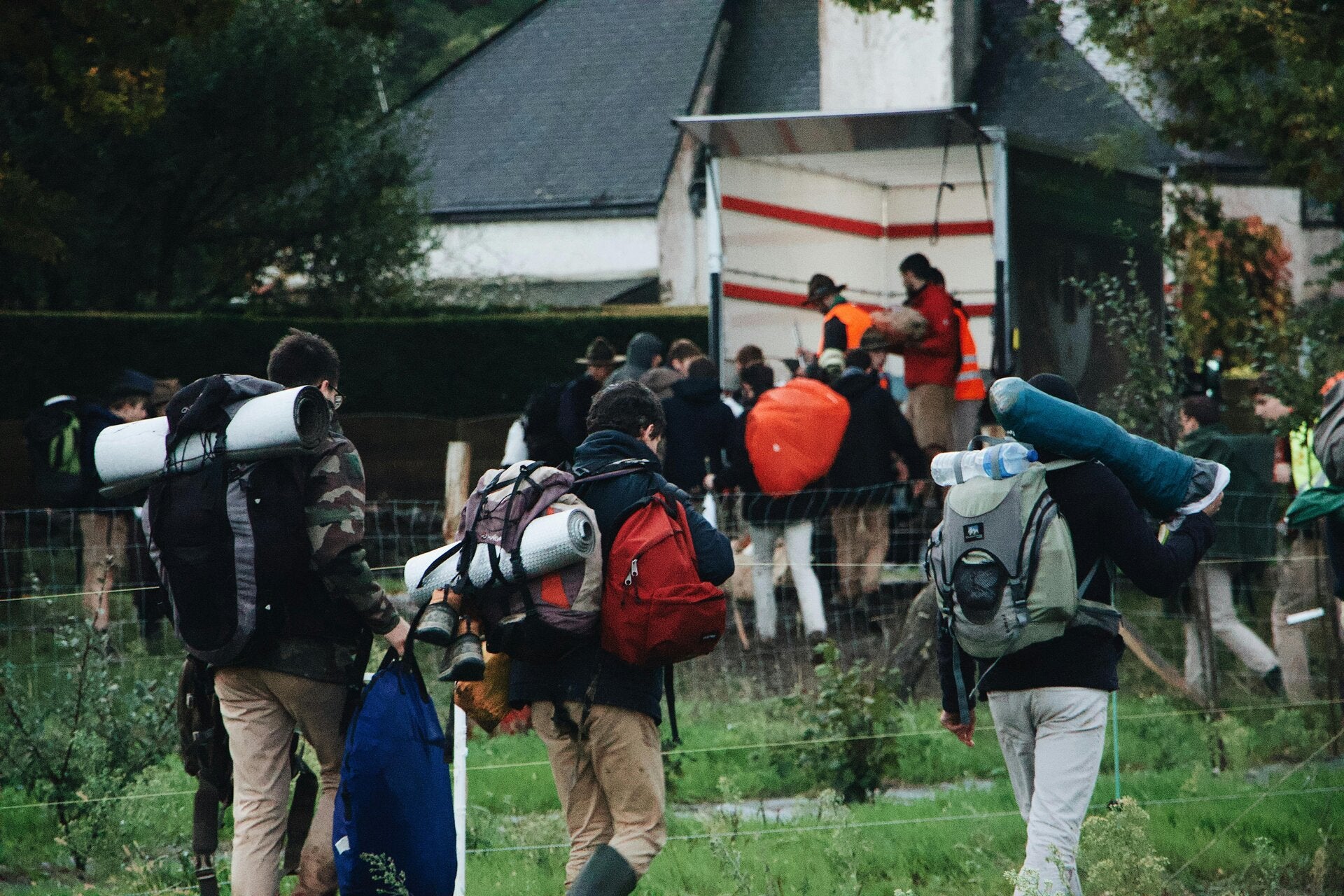
When people think about "starting over", they might imagine moving to a new city, beginning a new job, or trying a new hobby. But for refugees and asylum seekers, starting over often means something much bigger: rebuilding life after leaving home behind to find safety. It is a journey filled with courage, uncertainty, and hope-and it has a deep impact on mental health.
At the Kanter Center, we believe everyone deserves to feel safe, supported, and understood. That includes families and individuals who have traveled long distances, faced difficult experiences, and are working hard to create a new beginning.
Refugees and asylum seekers often leave their homes because they have no other choice. They may be escaping war, violence, discrimination, or danger. Even when they reach a safer place, the emotional impact of their journey does not disappear overnight.
Some common challenges include:
- Loss and separation- being far from family, friends, and familiar places
- Uncertainty- waiting for legal decisions or not knowing what comes next
- Culture shock- adjusting to new languages, customs, and expectations
- Trauma- memories of frightening or painful experiences
- Loneliness- feeling different or disconnected in a new community
These experiences can affect mental health in many ways, sometimes showing up as sadness, worry, trouble sleepings, or difficulty concentrating. For children, it might look like clinginess, irritability, or struggles at school. For adults, it might show up as exhaustion, anxiety, or feeling overwhelmed.
Even with these challenges, refugees and asylum seekers show remarkable resilience. Many rebuild their lives step by step, drawing strength from:
- Family and cultural traditions
- Faith or spiritual practices
- Community support
- Education and work opportunities
- Acts of kindness from neighbors and helpers
When communities welcome newcomers with warmth and understanding, it can make a world of difference. A friendly smile, a shared meal, or a simple "How can I help?" can help someone feel seen and valued.
At the Kanter Center, we believe mental health care should be accessible, culturally sensitive, and grounded in compassion. Here are some ways we can support refugees and asylum seekers:
- Create safe spaces
- A calm, welcoming environment helps people feel comfortable sharing their stories at their own pace.
- Offer trauma-informed care
- Understanding how past experiences shape emotions and behavior allows us to respond with empathy rather than judgment.
- Use interpreters and culturally aware practices
- Language should never be a barrier to healing.
- Support families together
- Parents and children often cope differently; helping them as a unit strengthens everyone.
- Encourage connection
- Support groups, community events, and cultural celebrations help people feel less alone.
You do not need to be a therapist to make a positive impact. Anyone-kids, teens, and adults-can help create a more welcoming world.
- Be curious and kind
- Listen without assumptions
- Celebrate cultural differences
- Offer help when you can
- Speak up against discrimination
Small acts of compassion can help someone feel safe again.
Refugees and asylum seekers carry stories of bravery, loss, and hope. Their journeys remind us how strong the human spirit can be-and how much we all need connection and understanding. At the Kanter Center, we are committed to walking alongside them as they heal, grow, and build new beginnings.
If you or someone you know could benefit from support, we are here to help with open hearts and open minds.
Add comment
Comments